Carved Stones
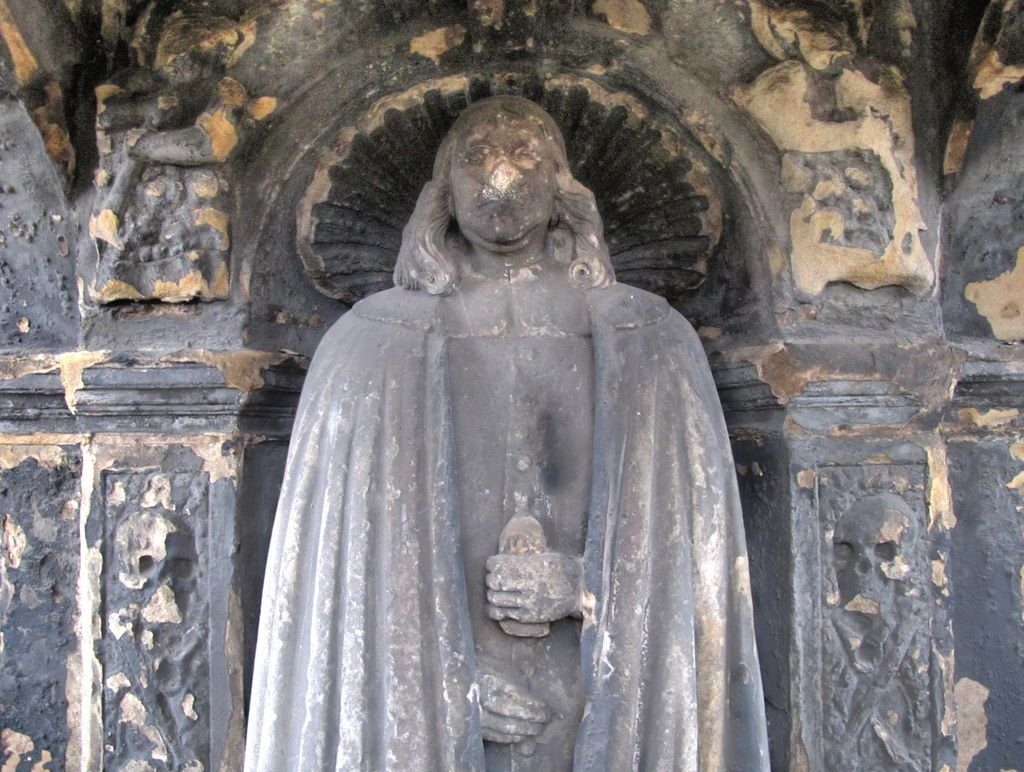
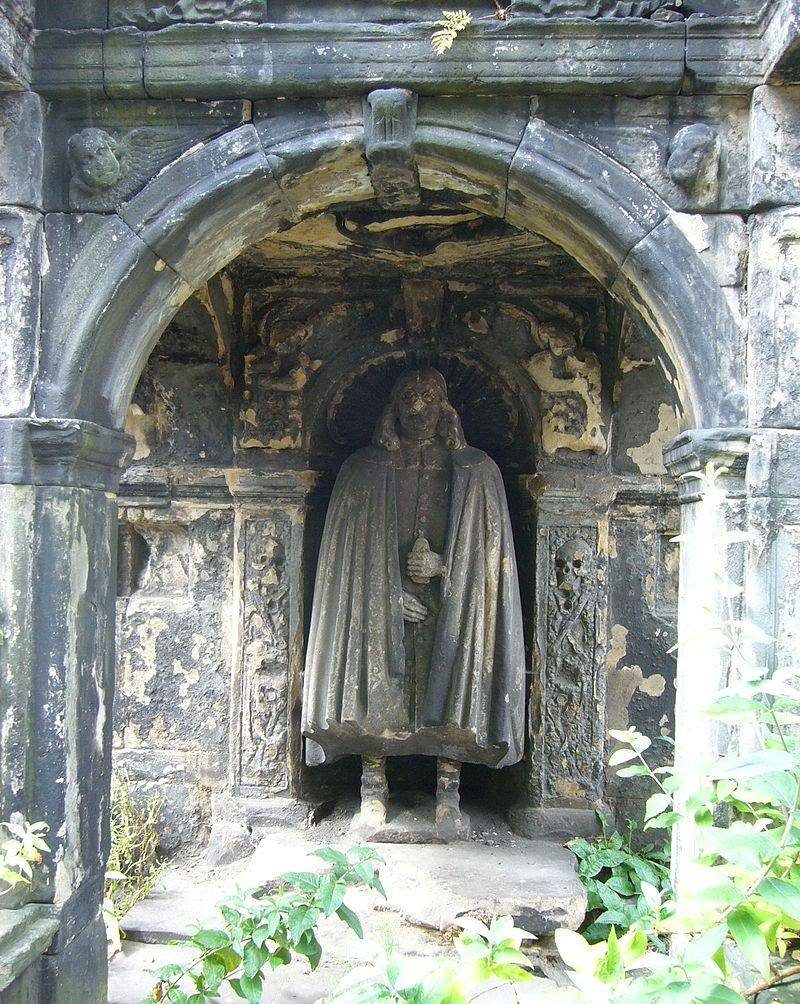
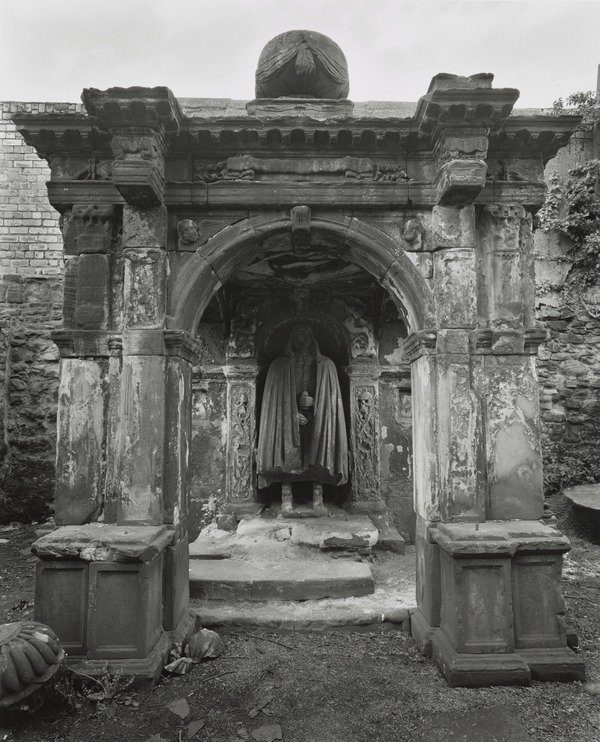
John Bayne Mausoleum
Greyfriars Kirkyard, Edinburgh
Project Details
John Bayne Mausoleum
Location
Greyfriars Kirkyard, Edinburgh
Category
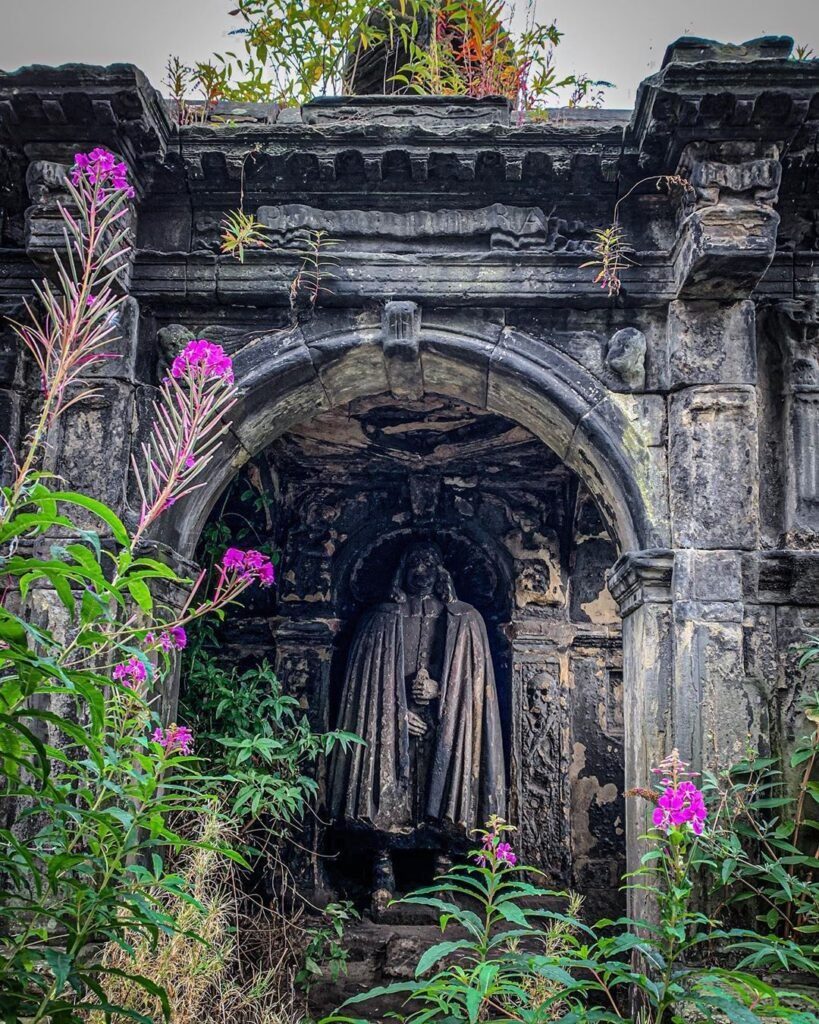
Carved StonesOver time, invasive vegetation and open joints allowed water ingress, accelerating decay in the stonework and weakening the structure. The restoration focused on removing the cause of damage and making the monument more watertight and stable.
Scope of Works
- Stone consolidation
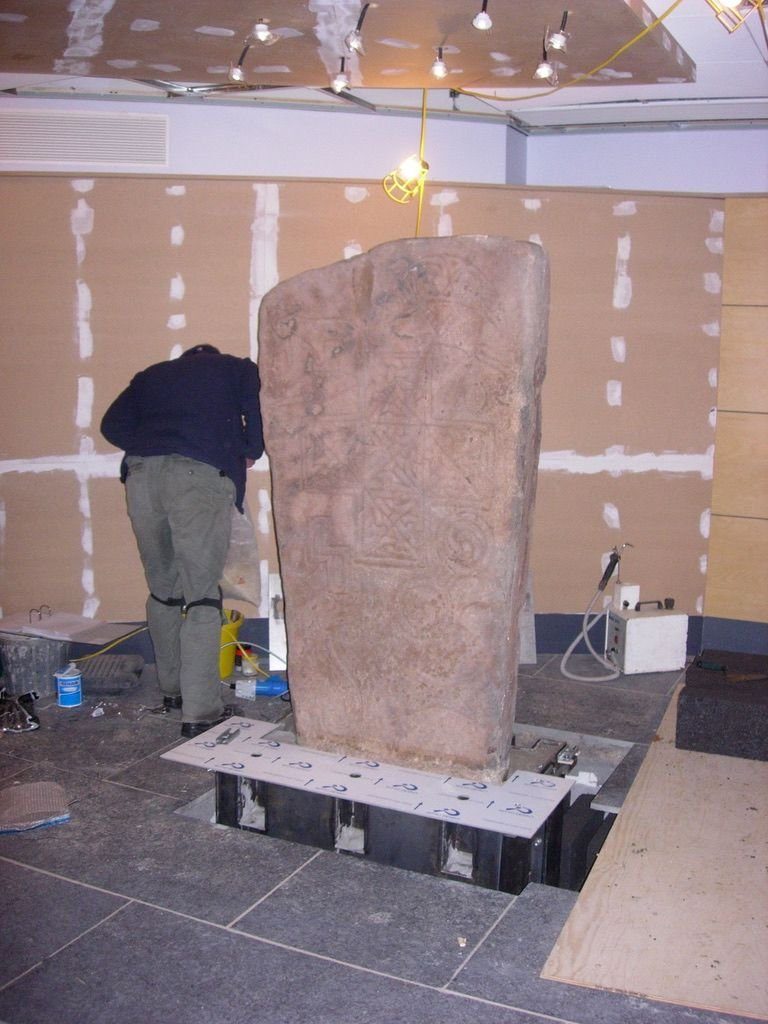
- Lifting & relocation
- Display preparation
- Museum-grade treatments
Heritage Significance
Why This Project Matters
This is a rare, information-rich survivor of Edinburgh’s early monumental sculpture, and once carved detail is lost to water-driven decay, it can’t be recovered. Repairing joints and halting vegetation damage helps secure the monument’s long-term survival within Greyfriars Kirkyard’s nationally important collection of historic memorials.
Conservation Methodology
How the Restoration Was Achieved
Invasive vegetation has to come out before anything else can happen, because buddleia roots widen the joints they occupy and no stone can be reset while they remain. Once the growth is removed, open joints are sealed with a lime mortar matched to the original, and the repaired areas are covered with damp hessian so the mortar cures slowly instead of drying out and failing. A monument inside a working kirkyard is also a multi party undertaking: at Greyfriars the parties have included Edinburgh World Heritage, Edinburgh Bereavement Services and the Friends of Greyfriars Kirkyard, with access equipment brought in to reach the upper stonework.
Scope of Works
Project Gallery
In Detail
Related Services
Specialist services applied to John Bayne Mausoleum
Heritage Location
Conservation in Greyfriars Kirkyard
Explore the wider conservation context, condition challenges and notable sites we work on in Greyfriars Kirkyard.
Visit Greyfriars Kirkyard →
Start Your Conservation Project
Have a Heritage Site
in Mind?
Whether you steward a listed building, a public monument or an ancient carved stone, we'd be glad to discuss its needs. Every commission begins with a conversation and a site visit.