8 documented projects
Carved Stone & Early Sculpture Conservation
Pictish stones, grave slabs and monumental carving
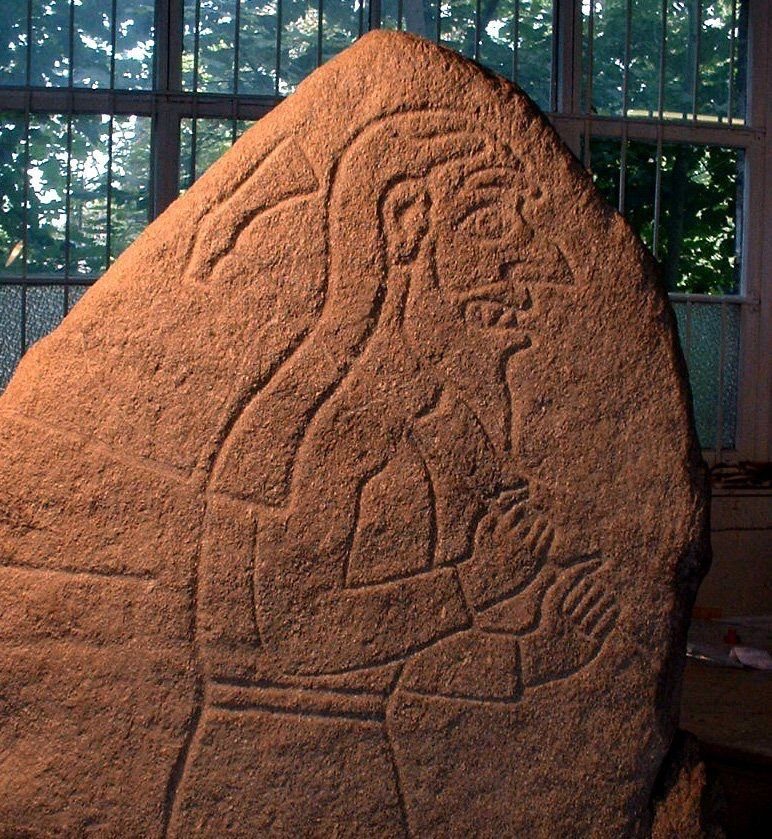
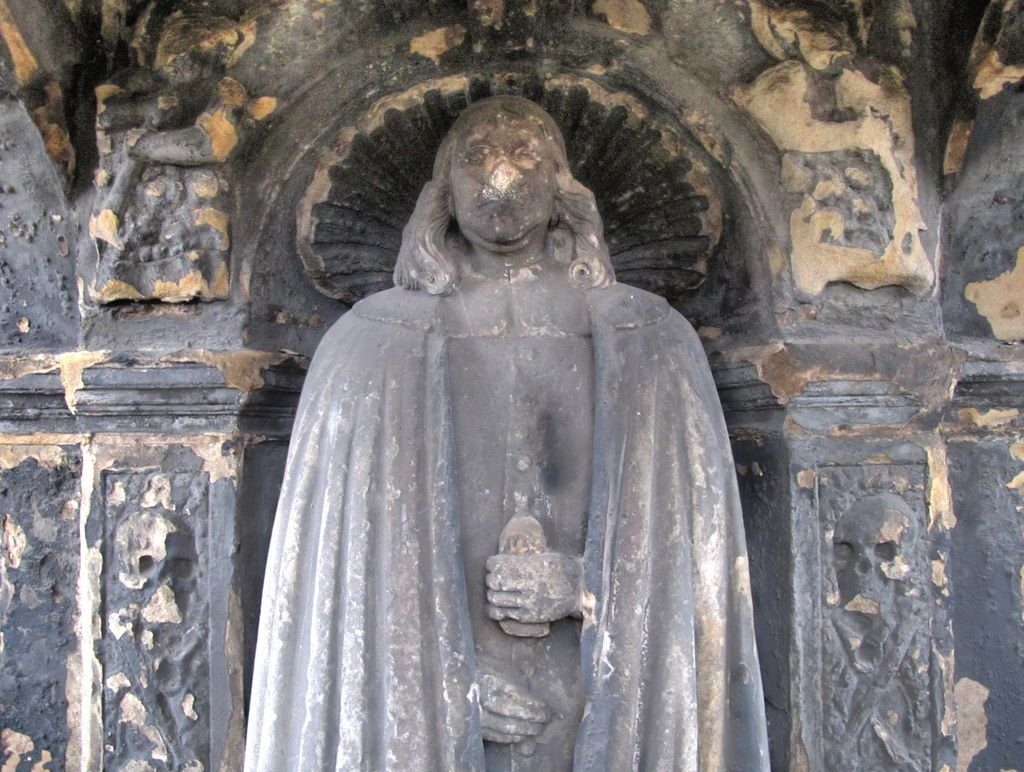
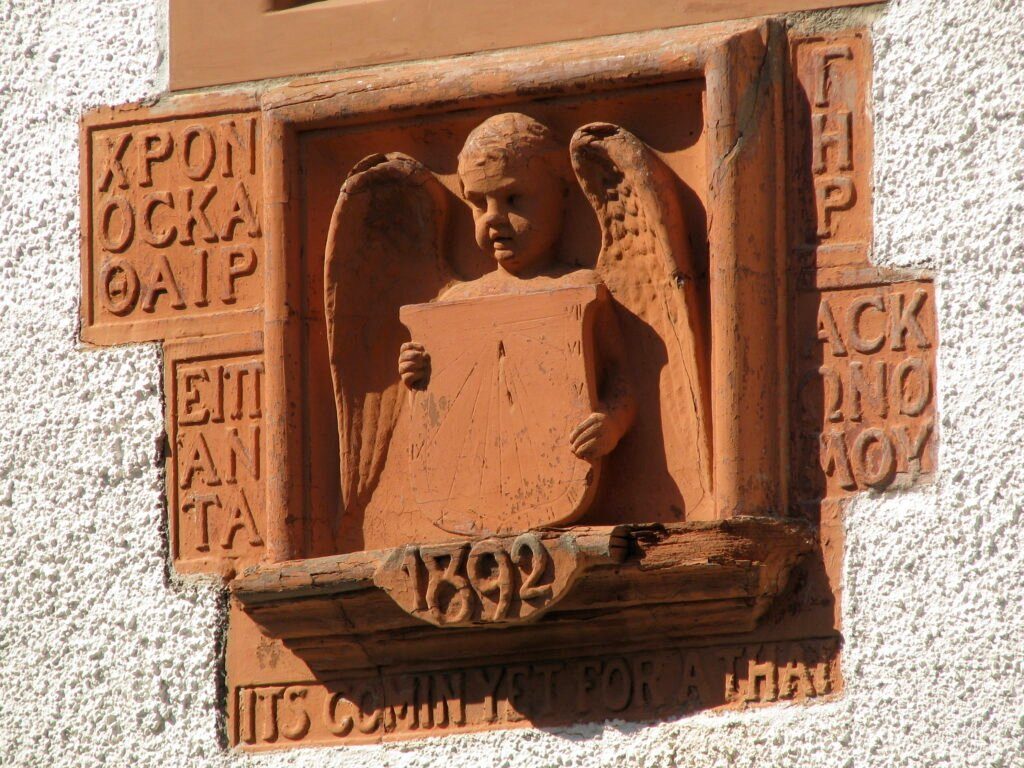
Early carved stones carry information that exists nowhere else. Once a weathered surface is lost, the carving is gone and no repair recovers it. That makes recording before intervention as important as the intervention itself, and it makes the choice of treatment unusually consequential.
What this work involves
High-resolution recording before any treatment, so surface detail and inscriptions are archived while they still exist.
Assessment of the decay mechanism — biological growth, salt movement, frost, previous treatments — before choosing a response.
Minimal, reversible stabilisation in preference to intervention, with consolidation used only where decay is active.
Advice on shelter, display and long-term environment, which often protects a stone more than any treatment.
Who commissions it
Museums and collections holding early sculpture
Heritage bodies managing scheduled monuments
Local authorities and community trusts
Archaeologists and academic projects
Related services
Carved Stones
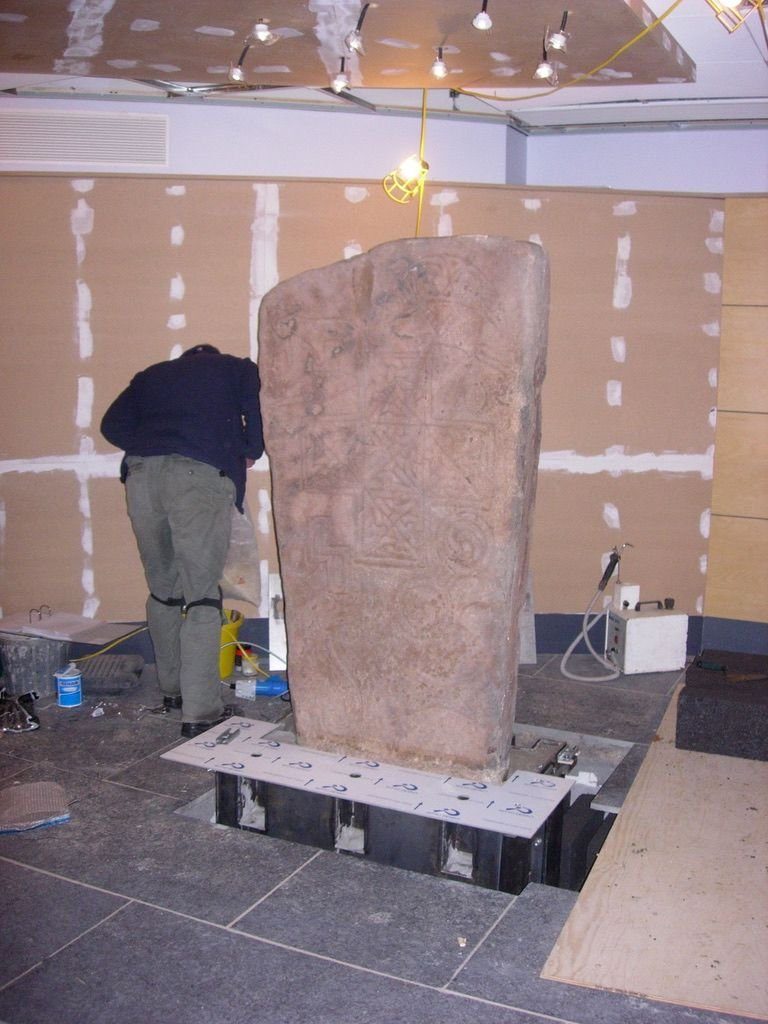
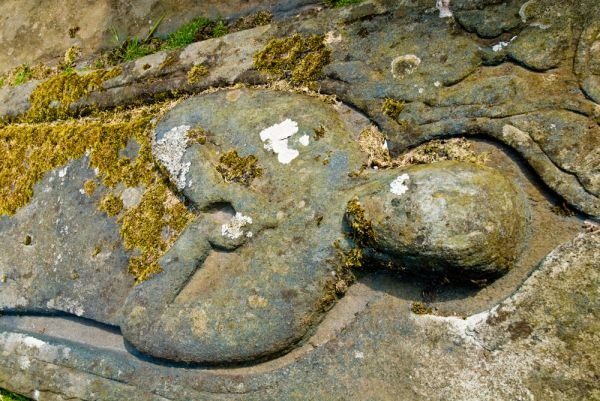
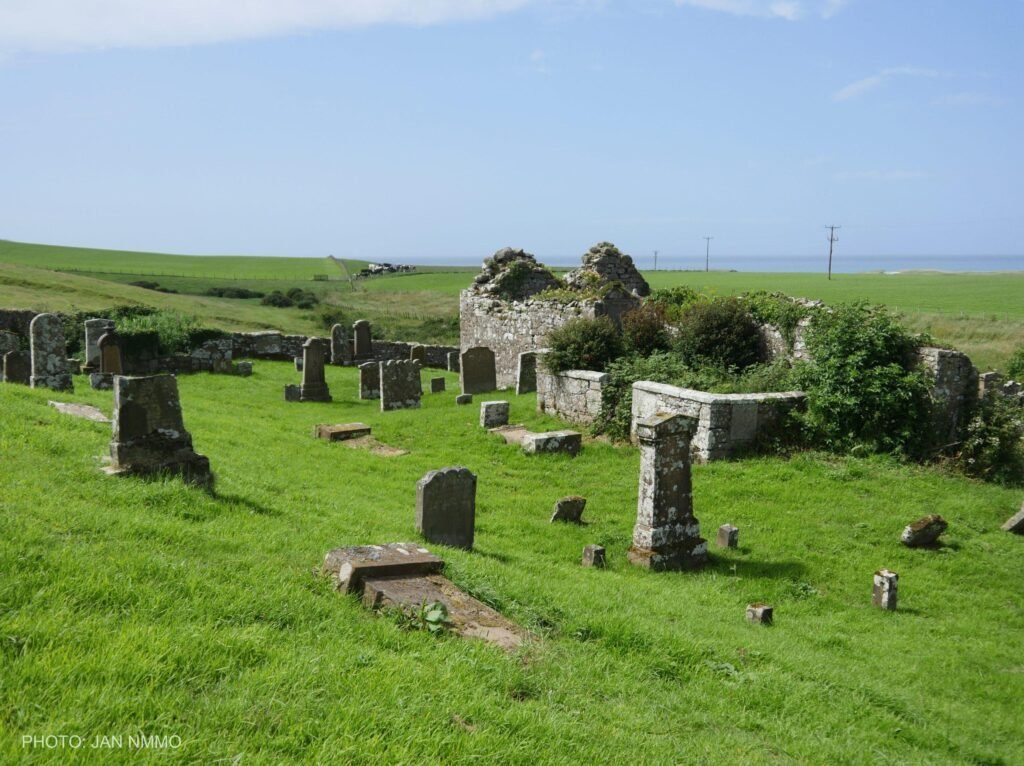
Work in this category has been carried out in Aberdeenshire, Caithness, Argyll and Bute, Edinburgh. See where we work.